How to Take Great Action Photos of Your Fencer at Tournaments
Fencing is such a fast-paced sport that capturing sharp photos—especially with a phone—can be tricky. If you've tried taking pictures at a tournament with your iPhone and ended up with blurry shots, you're not alone. If you own a camera but aren’t sure how to use it, I hope this guide helps.
Sure, you can find a million photography tips on Google, but let’s keep it simple. I’ll share the exact camera settings I use so you can copy them or tweak slightly for your own photos and still get sharp action shots.
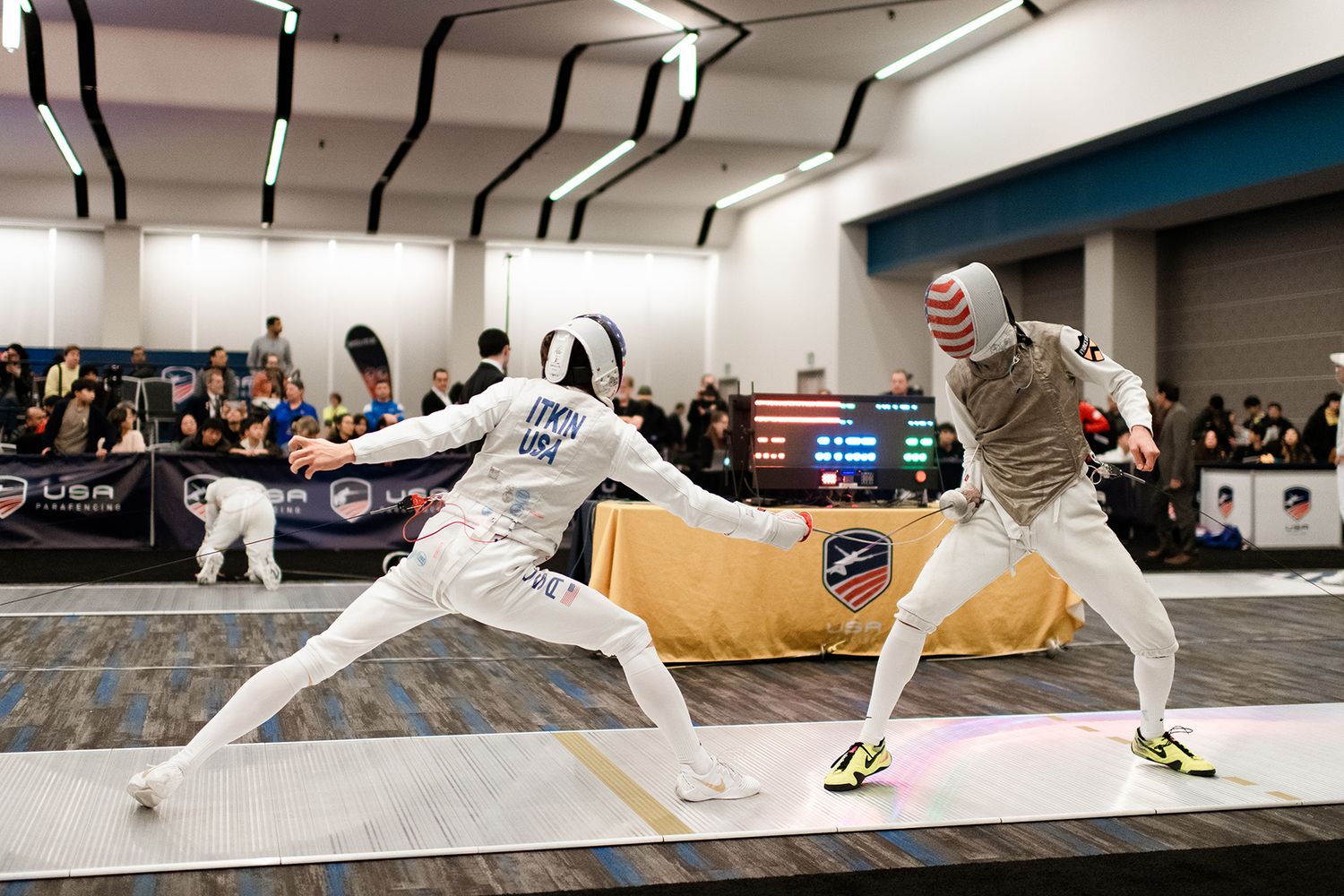
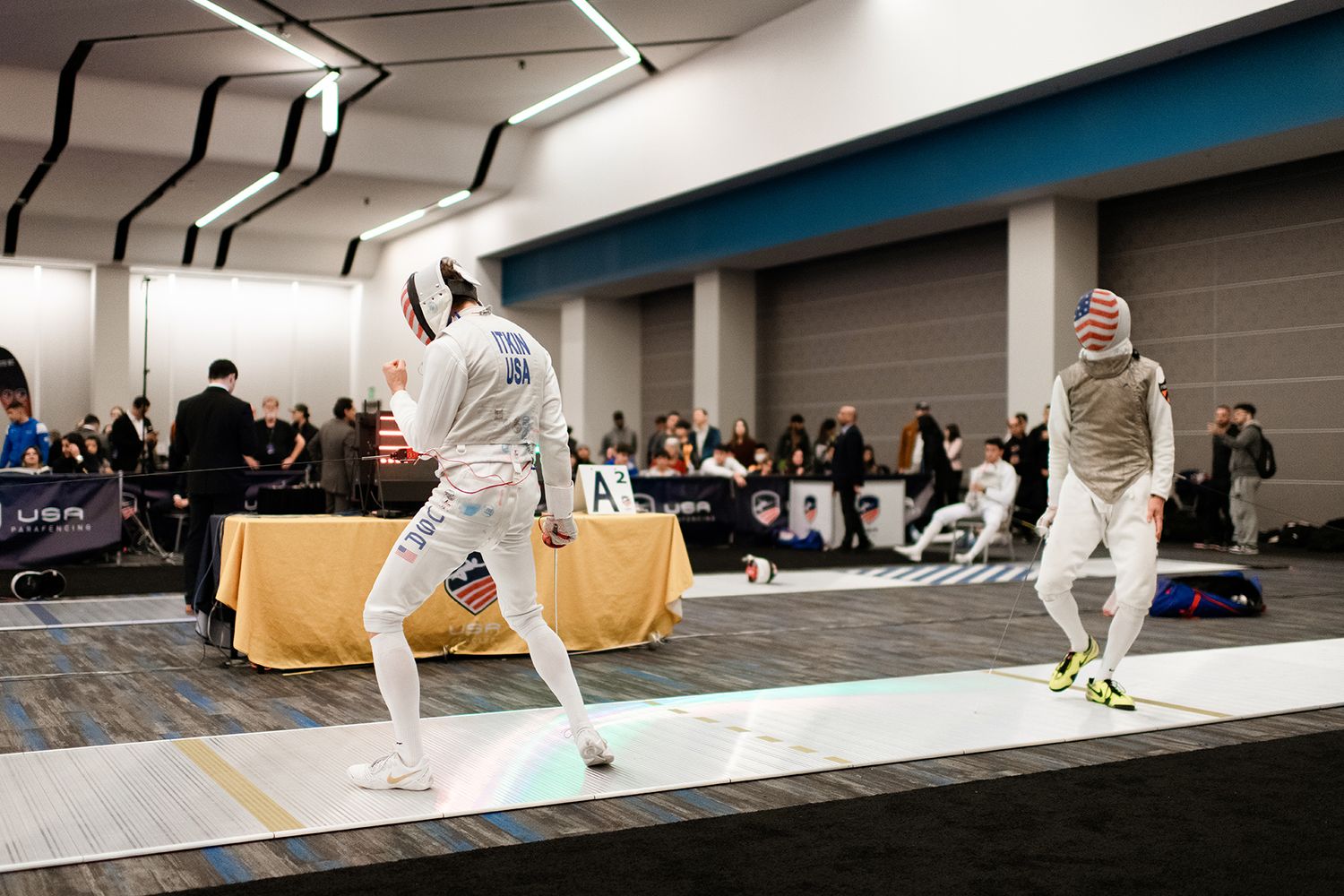
January NAC 2024 Div 1 Men’s foil
Nikon D850, ISO 1600, 35mm, f1.4, 1/800ss
Hi, my name is Nana. I’m a mom to a 12-year-old foil fencer from LA International Fencing Club and have been a professional photographer for 13 years. I started taking fencing photos in 2023—first of my son, kids at our club and then more kids we meet at tournaments. I share all the photos with parents on Instagram @fencingmoment
1. Camera and Lens
You don’t need a high-end, heavy camera. I use a Nikon Z30—it’s about the size of an iPhone and works great for fencing photos. Most photographers recommend a 24–70mm lens for flexibility, especially when you have to shoot from far away as a lot of other sports. But for younger fencers, who is not olympic level yet, parents can get pretty close at regional tournaments or NACs. That’s why my go-to lens is a 35mm. It’s lighter than 24-70mm. You just need to move your body to get full picture or close-up shots.
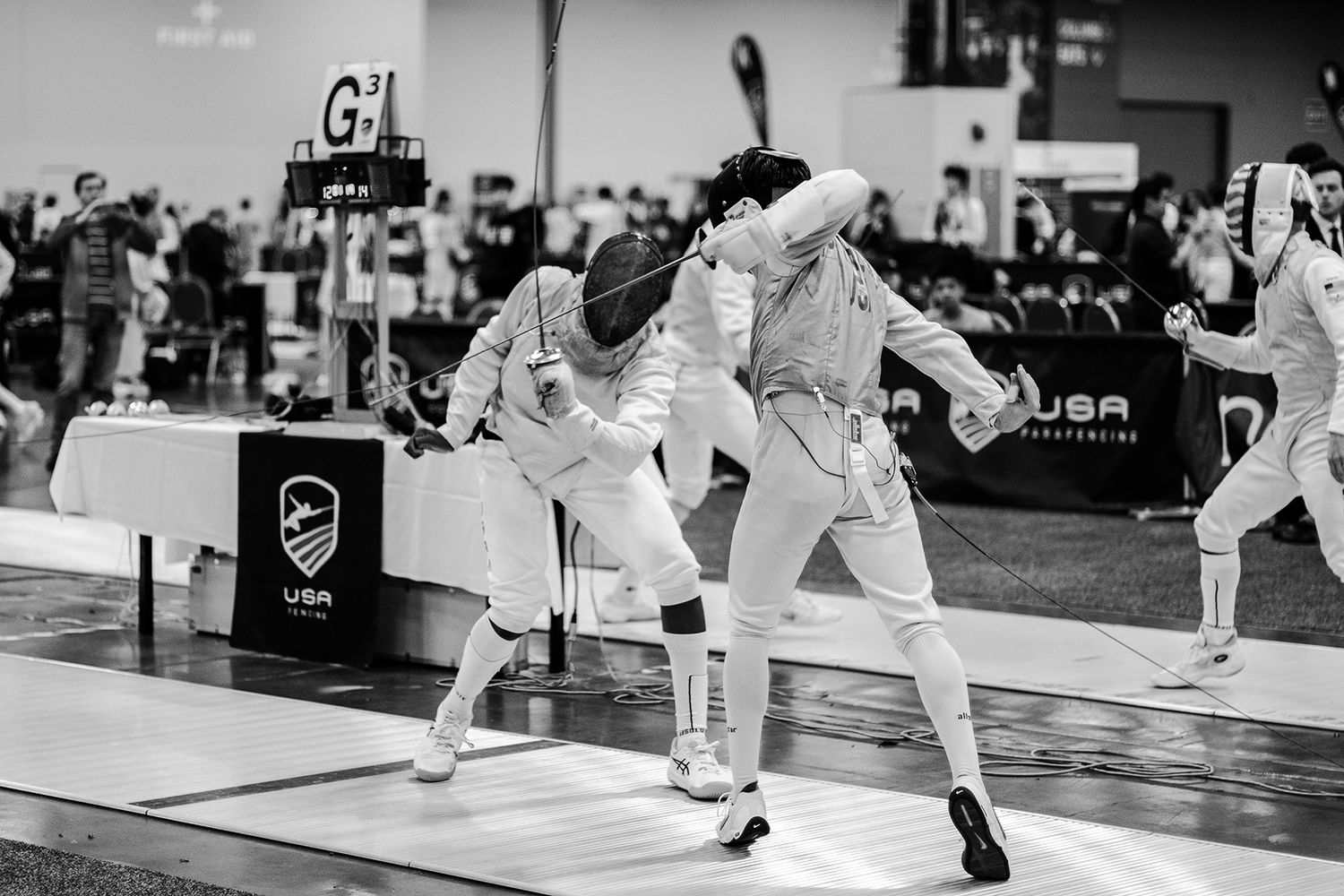
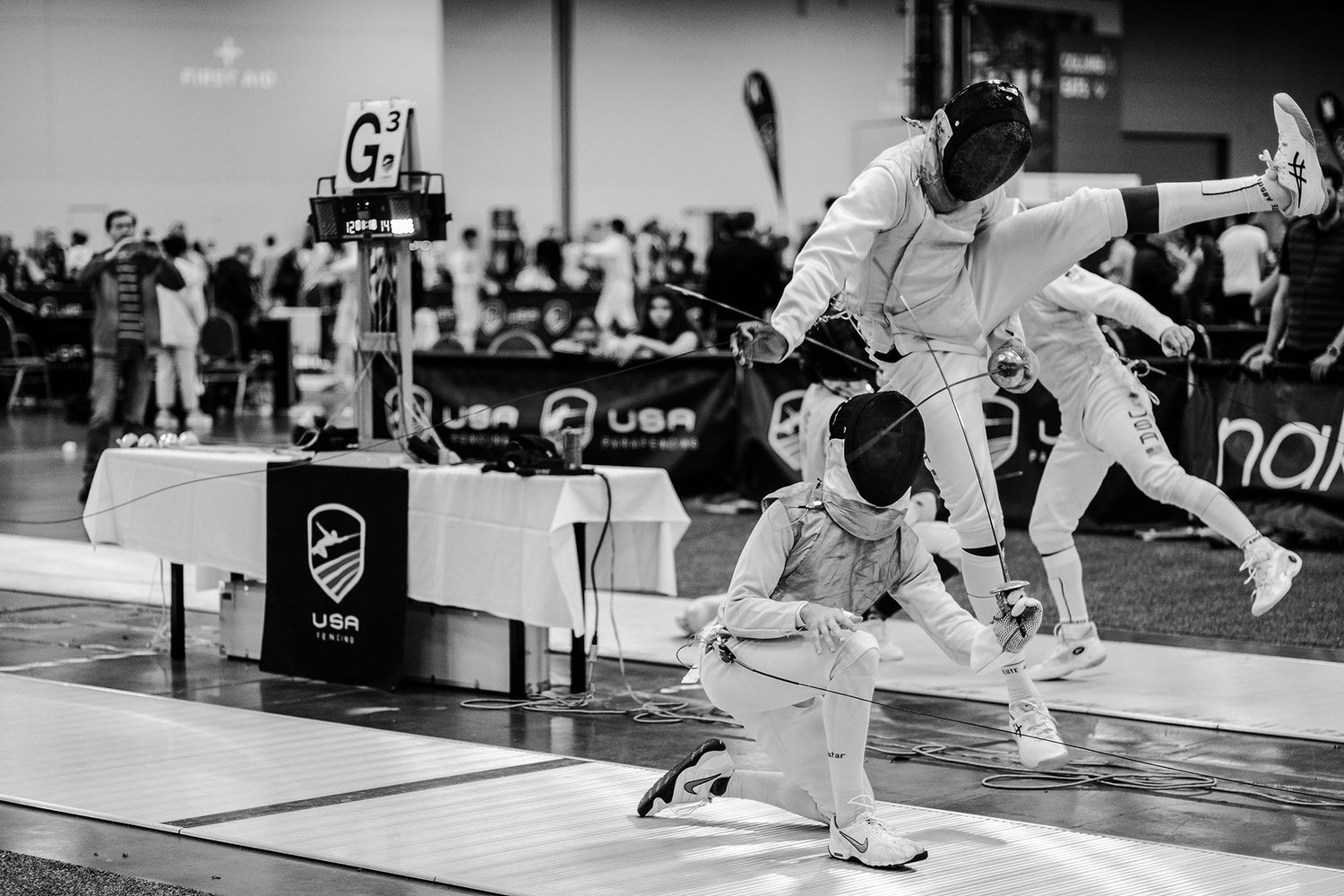
2024 summer national Div 1 men’s foil
Nikon Z30, ISO640, 50mm, f1.6, 1/640ss
2. Camera Settings
Good fencing photos come down to a balance of shutter speed, aperture (f-stop), and ISO.
• Shutter Speed: Use 1/500 or faster (ideally between 1/500–1/1000) to freeze the action.
• Aperture: To make your fencer stand out with a nice blurred background, set the aperture between f/2.0 to f/2.8. If you're just starting, f/3.5 is easier to work with.
• ISO: Tournament venues are often poorly lit, and flash isn't allowed. Higher ISO brightens your photo but also adds grain, so aim for the lowest ISO possible for proper exposure. You can start with auto ISO if you’re unsure.
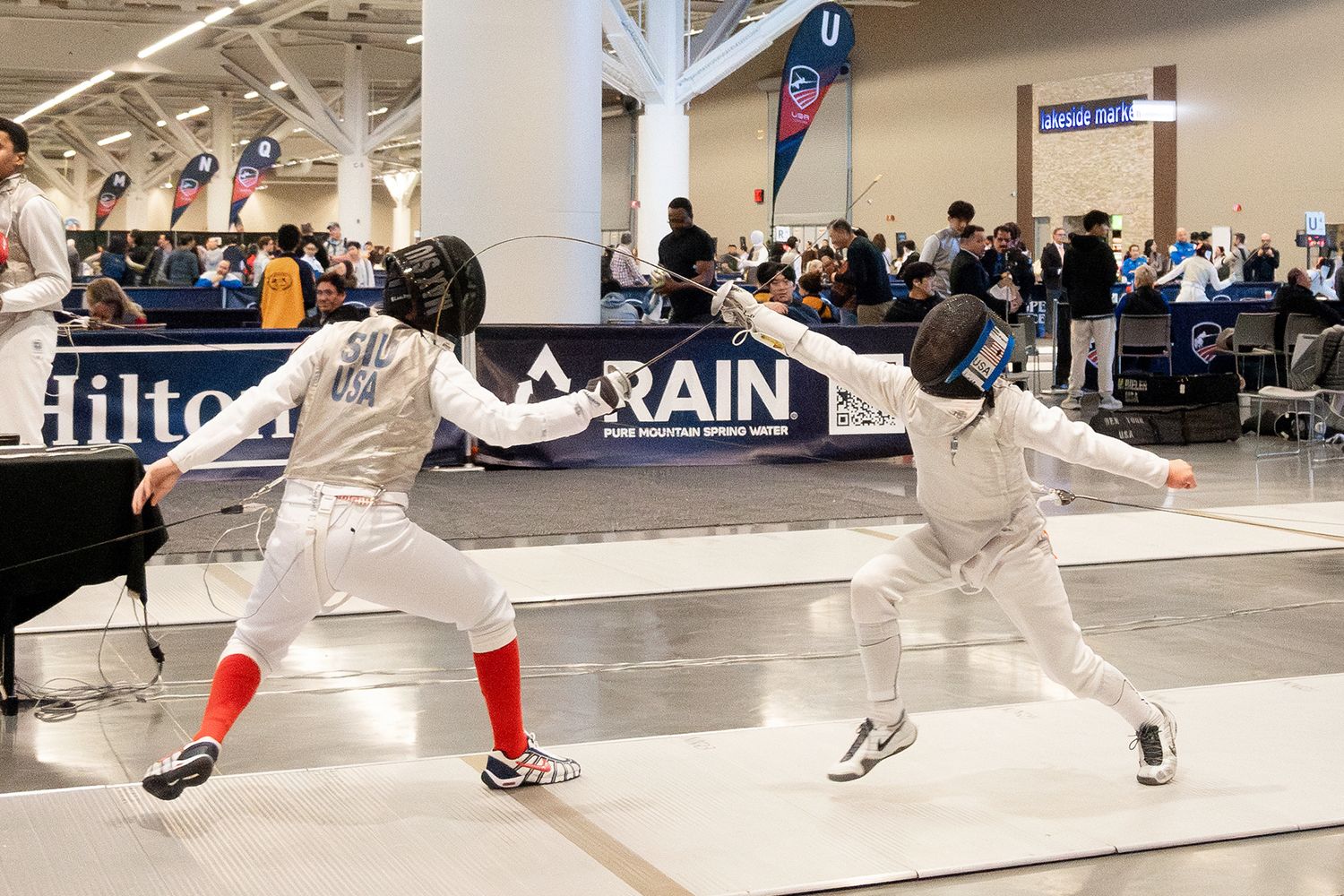
March NAC 2025
Nikon Z30, ISO 10000, 16-50mm, f3.5, 1/1000ss
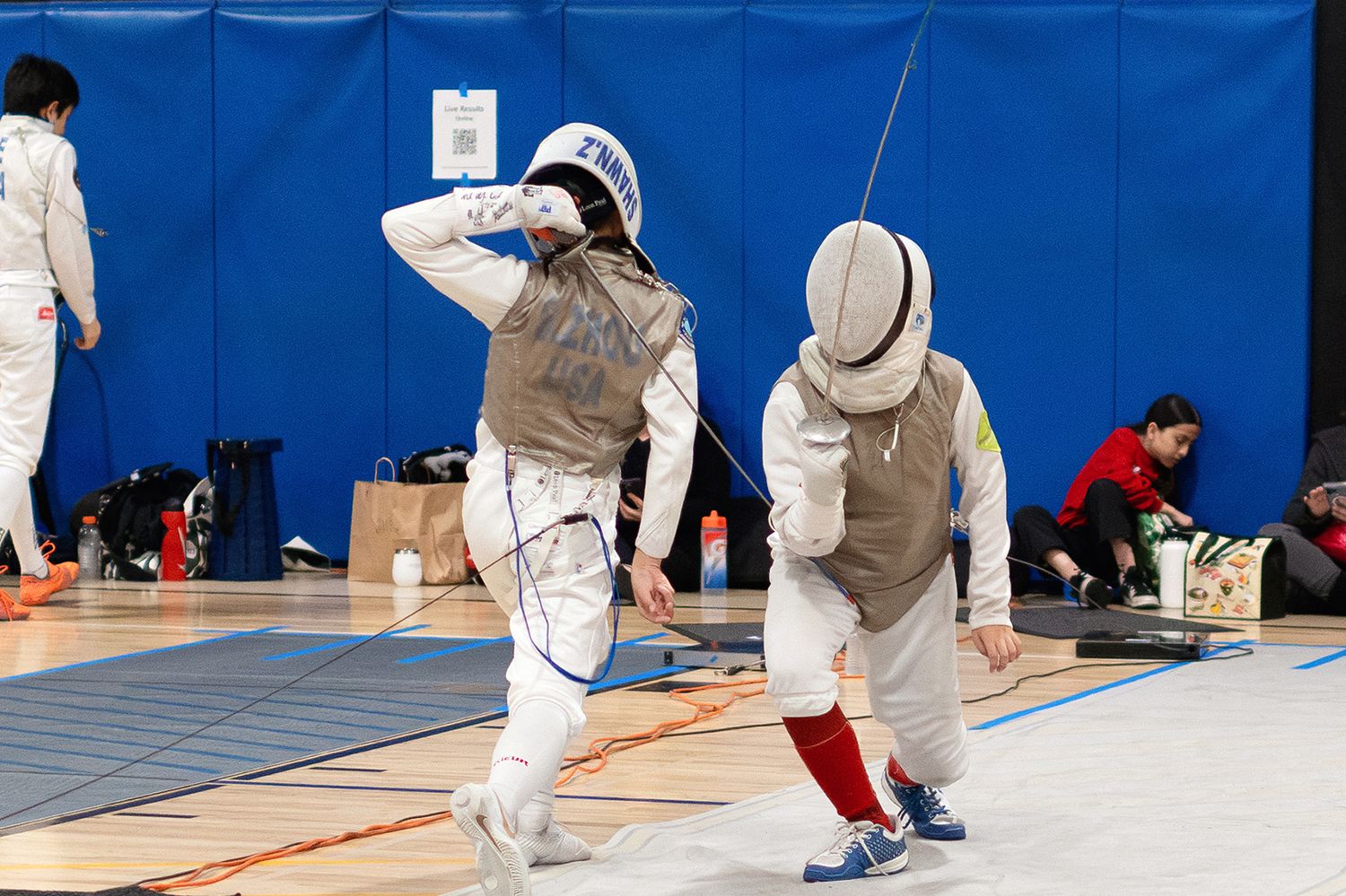
2025 Sword in the Stone RYC
Nikon Z30, ISO2500, 35mm, f1.8, 1/1000ss
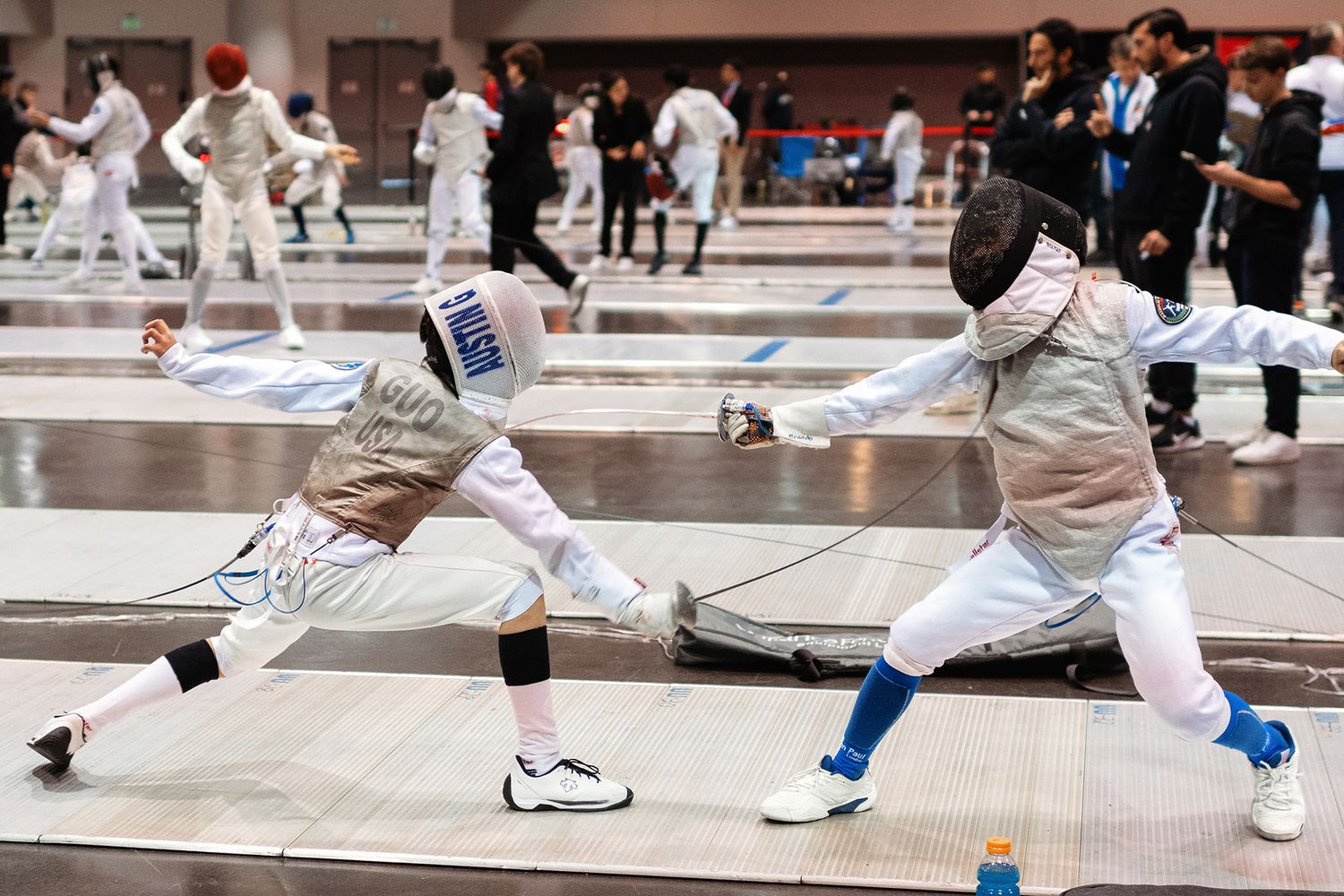
2025 AFM SYC
Nikon Z30, ISO1250, 35mm, f1.8, 1/320ss
3. Angles and Timing
Timing matters—not just in fencing, but in photography too. Since you’ve likely watched your child fence for years, you can probably predict their next move. That’s when you have your finger ready to press down the button. Don’t be afraid to press it for too many times —you’ll need hundreds of frames to find the best ones.
Try different angles:
• From behind (to capture their name on the back)
• From the side or middle (to see full actions)
• From the front (for close-ups—if lighting allows, you might even catch their focused expression through the mask!)
Just one big reminder: stay out of the referee’s way. Their job is critical, and we don’t want to distract them.
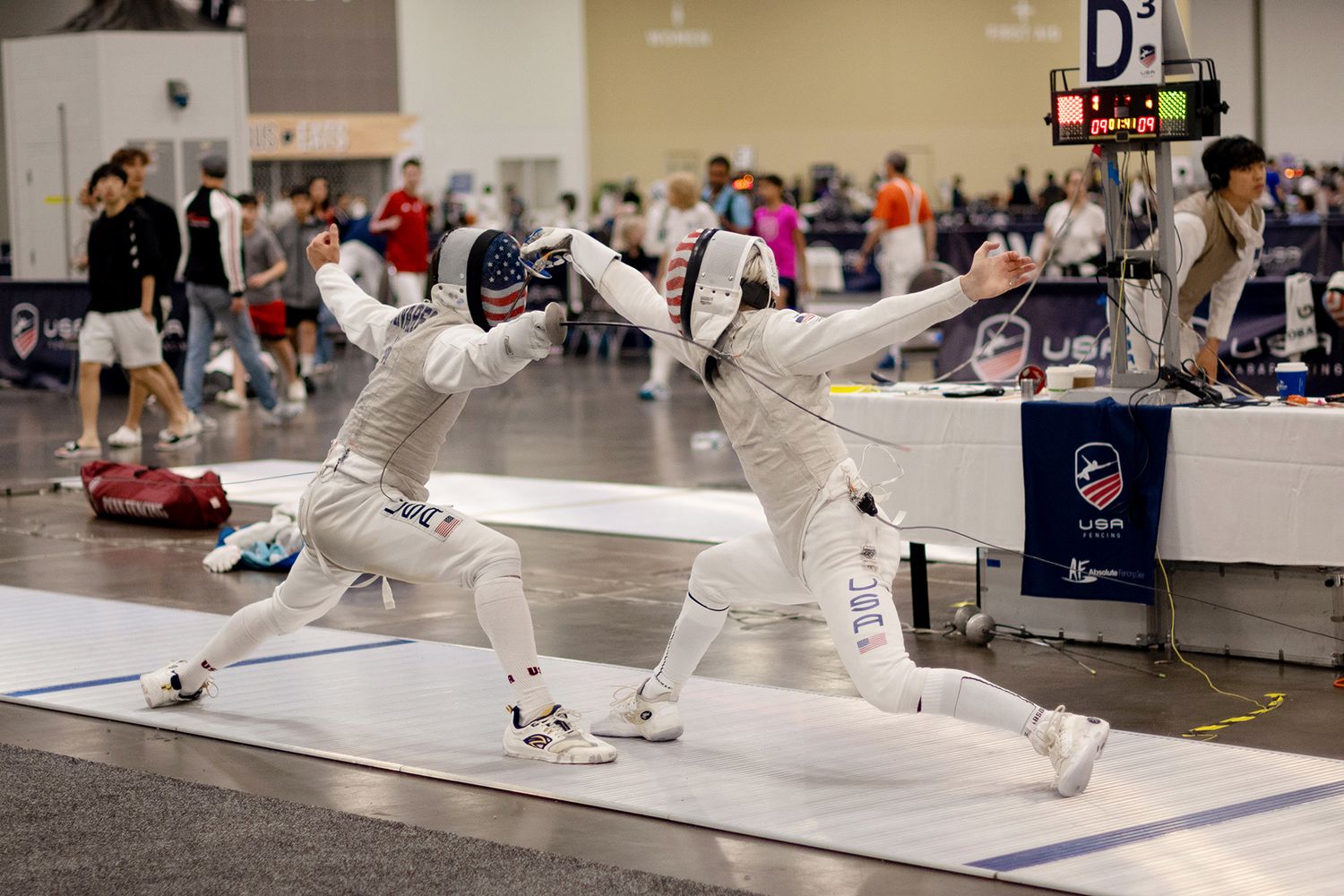
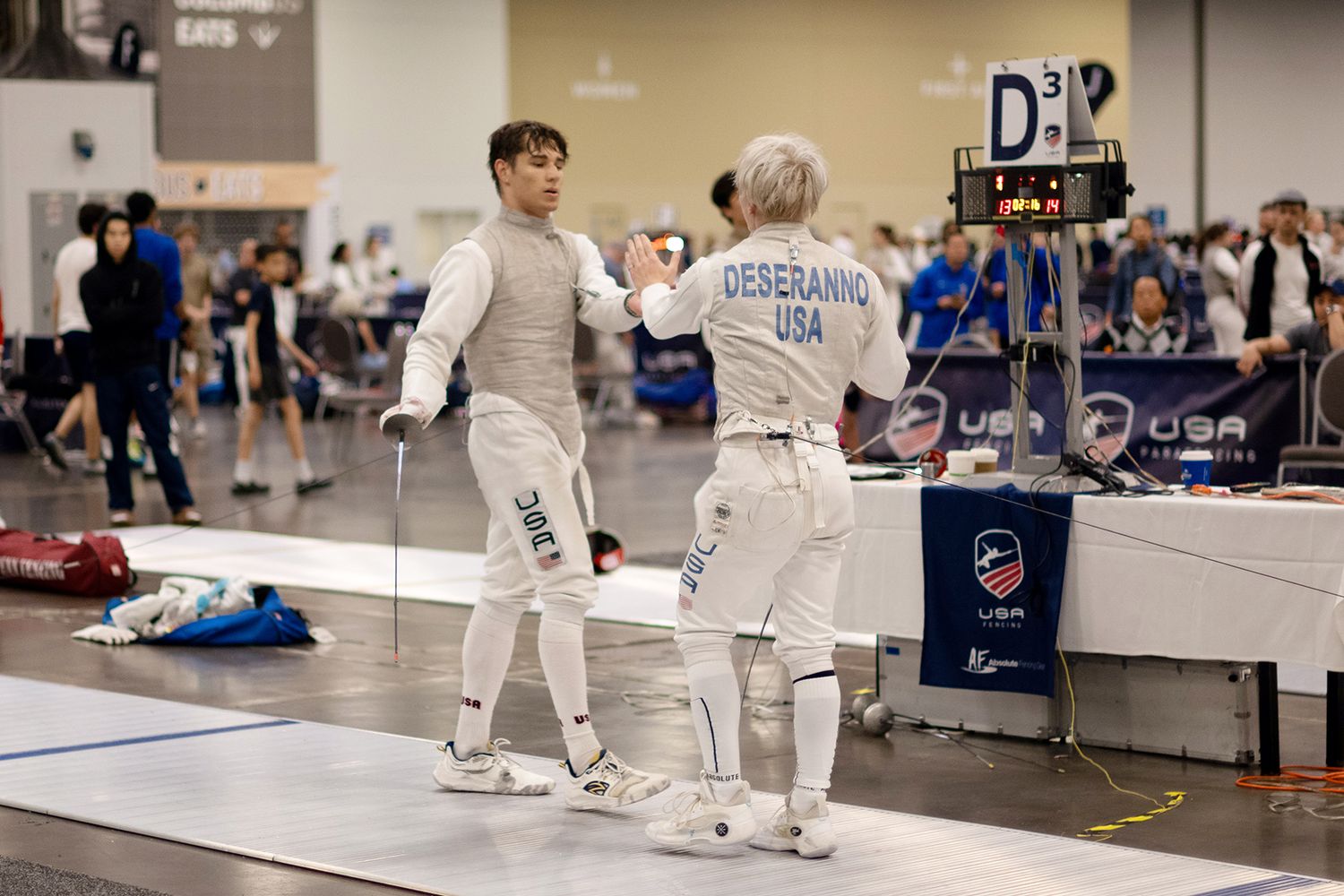
2024 Summer Nationals
Nikon Z30, ISO640, 50mm, f1.6, 1/800ss
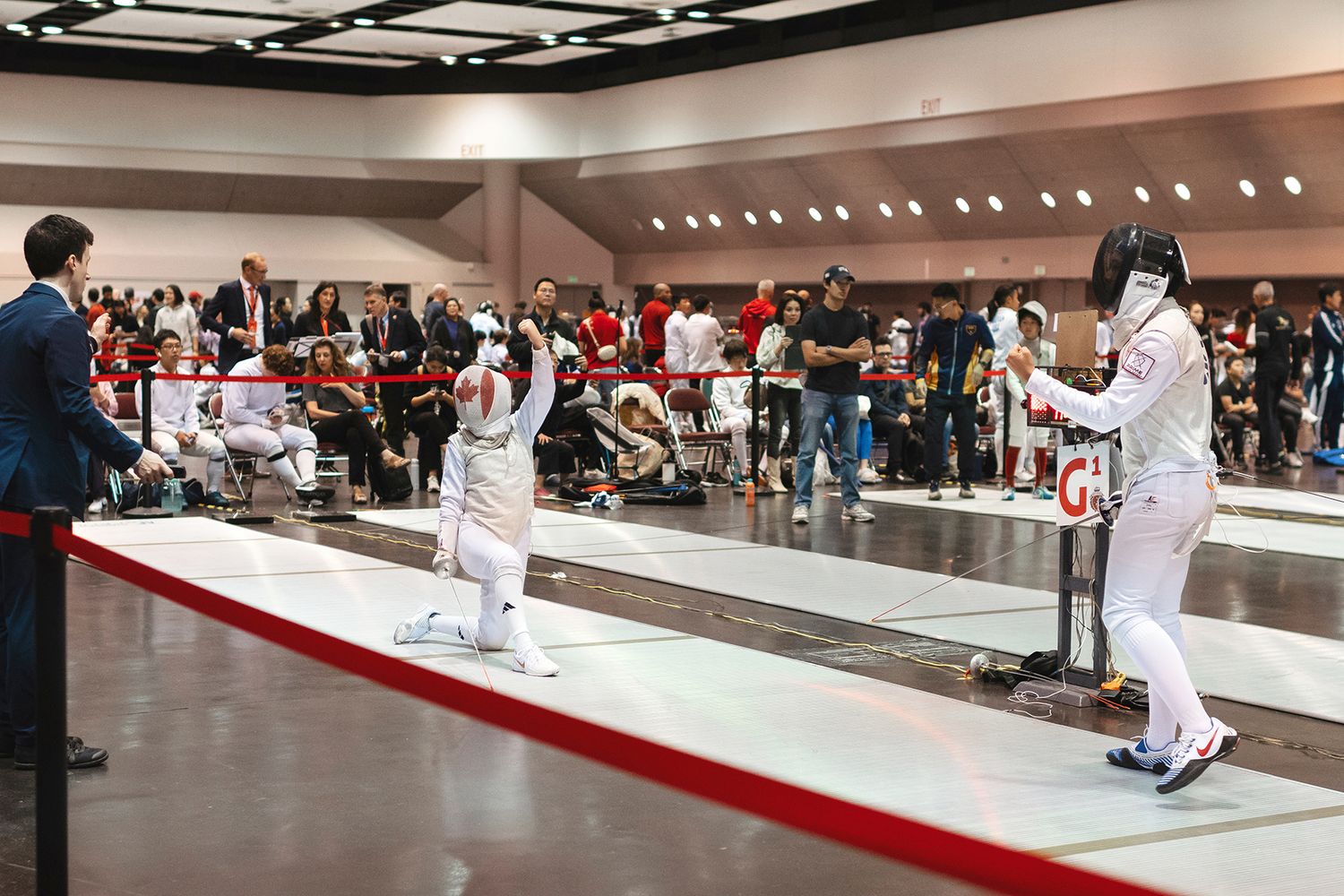
2025 AFM SYC
Nikon Z30, ISO1250, 35mm, f2, 1/320ss
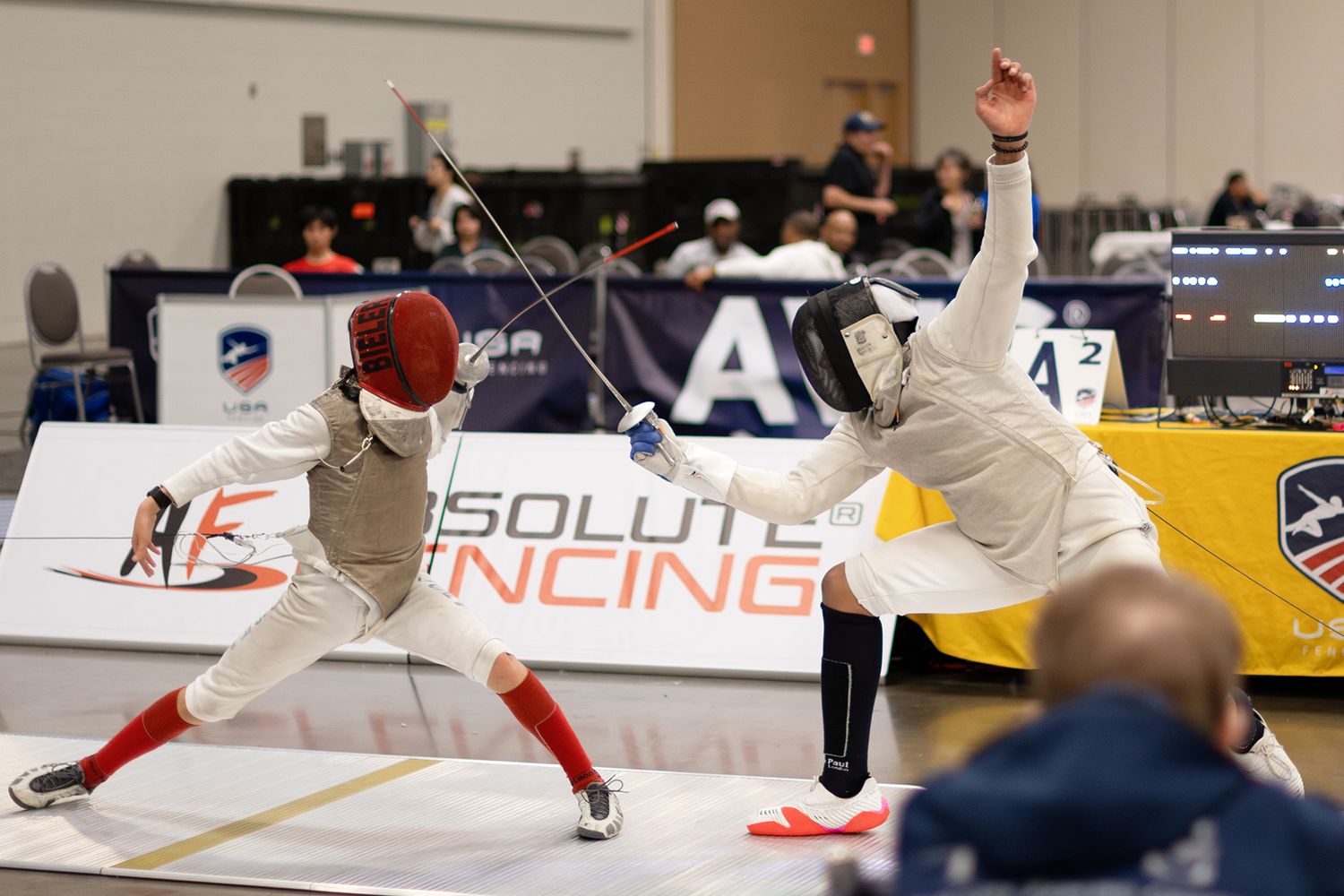
2024 Summer Nationals Y12 men’s foil
Nikon Z30, ISO800, 50mm, f1.4, 1/1000ss
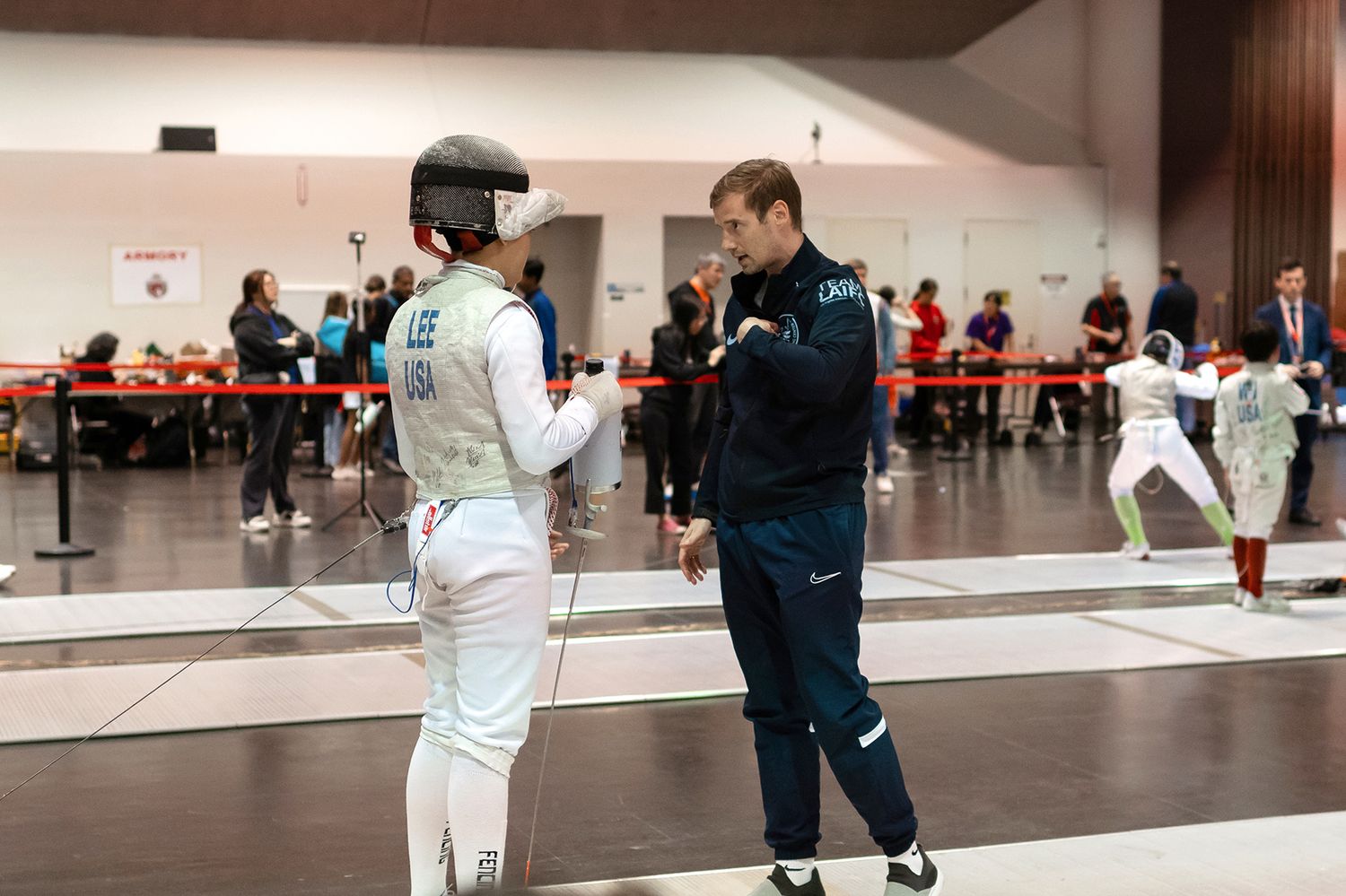
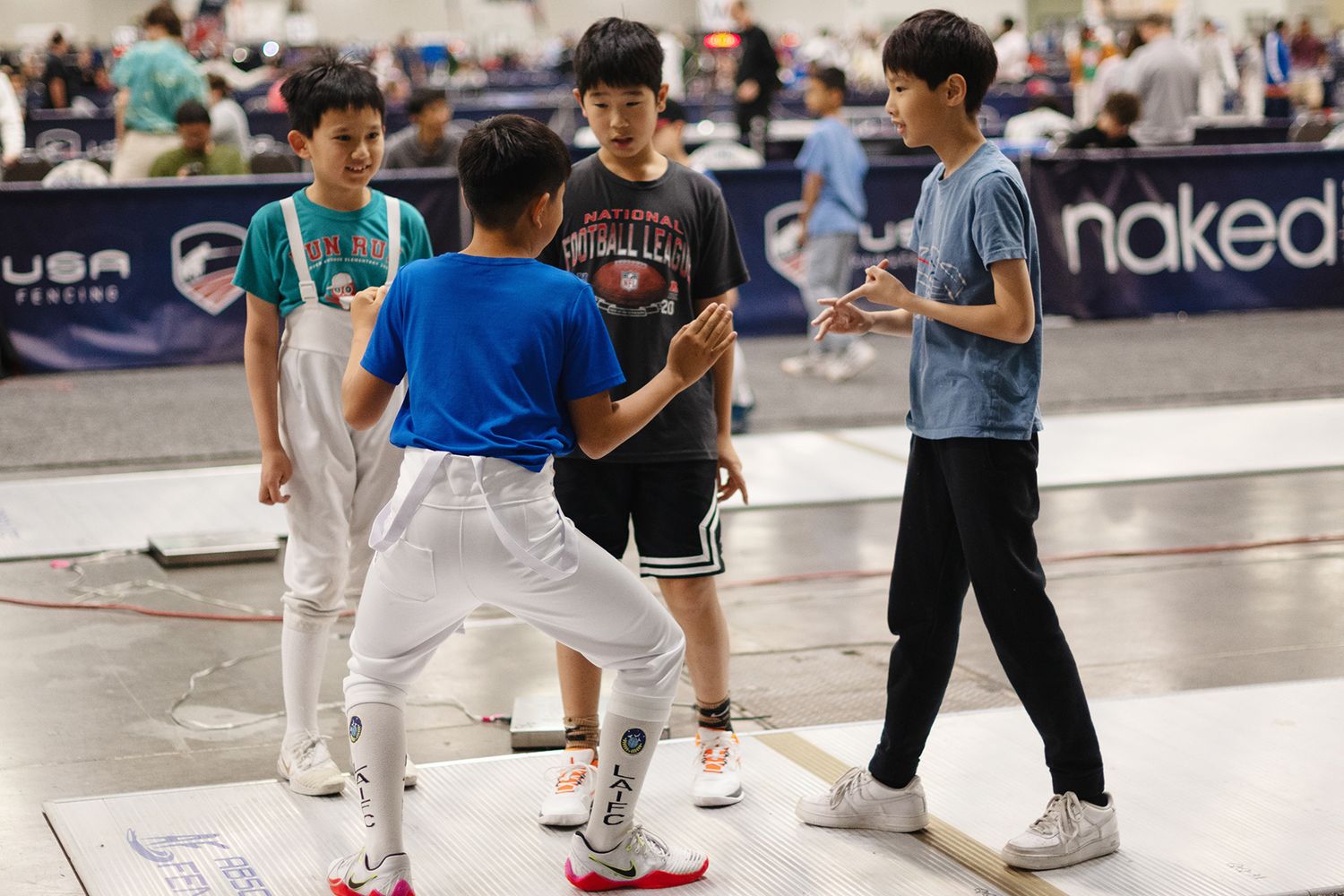
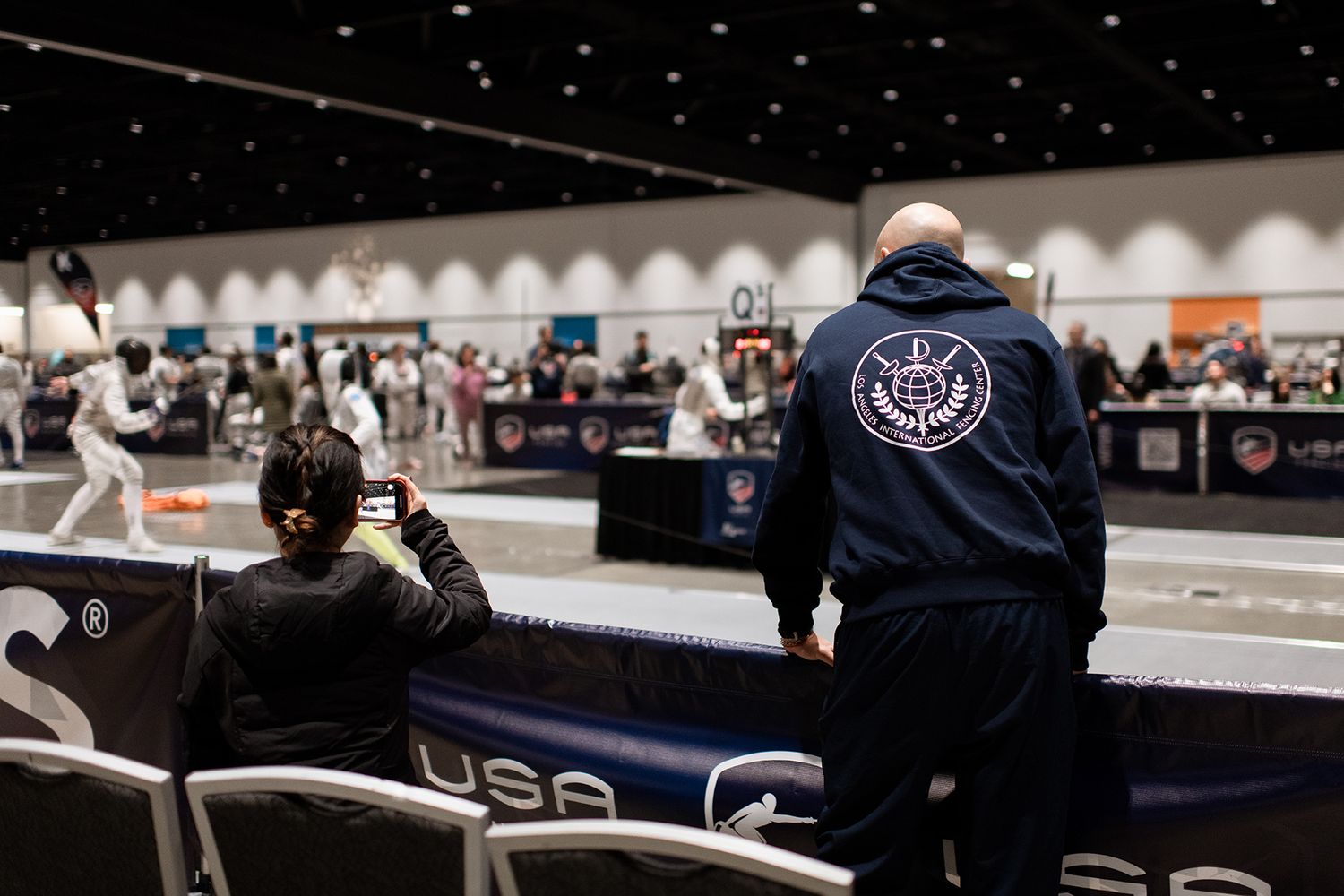
Aside from action shots, I also love capturing moments off the strip—kids joking around, coaches cheering or giving advice. We don’t know how long our kids will stay in fencing, but these photos become priceless memories, which is telling us the whole story.
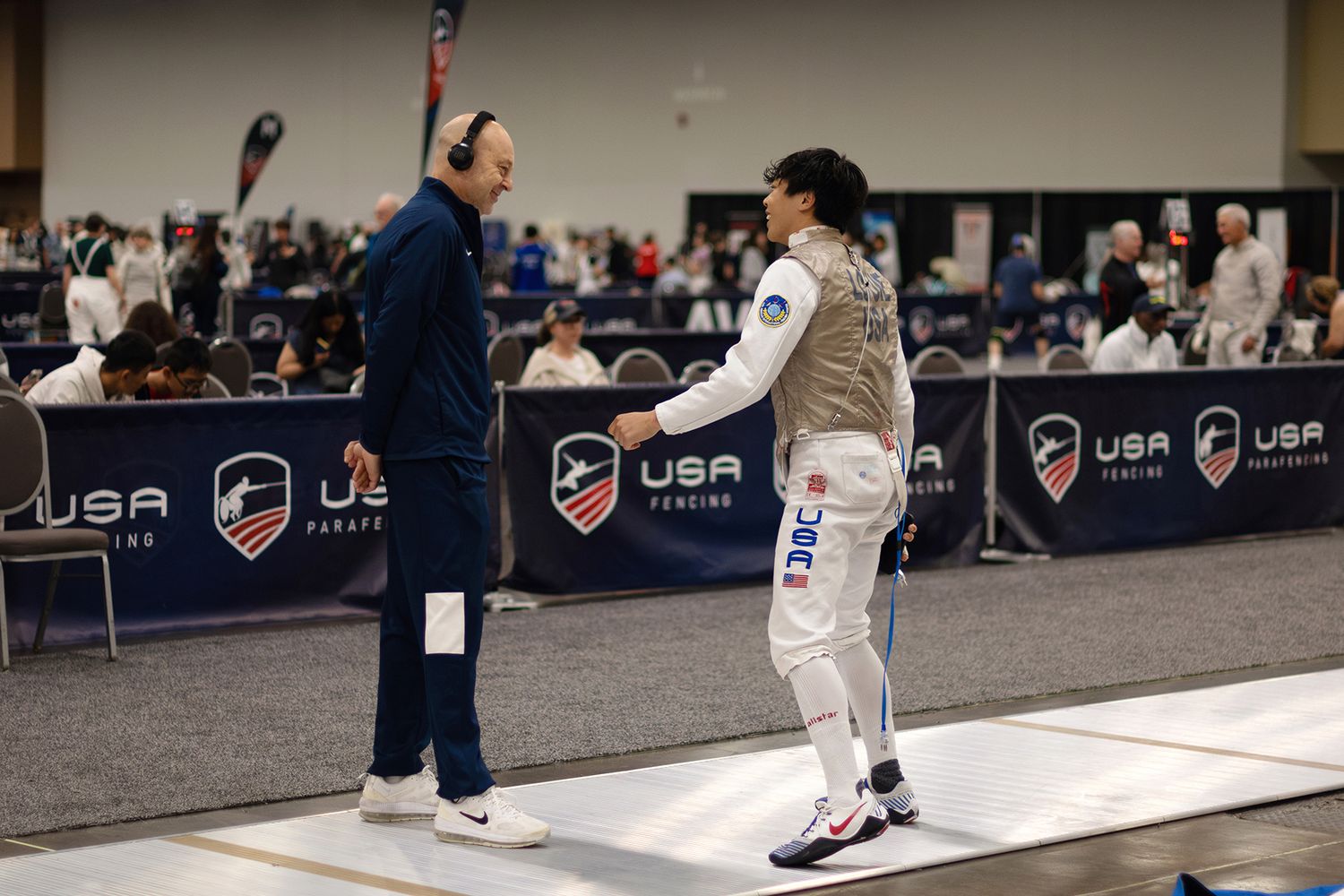
This isn’t a professional photography course—just a few tips to help you take better pictures at tournaments. Feel free to DM me on Instagram (@fencingmoment) if you have questions, or come say hi at Summer Nationals!